
Understanding Cloud-Based LIMS Solutions for Cloud Lab Management Systems
- Jun 28
- 4 min read
Laboratories today face increasing demands for accuracy, efficiency, and compliance. Managing vast amounts of data, samples, and workflows requires robust systems. This is where cloud lab management systems come into play. They offer a modern approach to handling laboratory information, making operations smoother and more secure.
In this post, I will explain what cloud lab management systems are, how they work, and why they are becoming essential for medical laboratories and testing facilities. I will also cover the benefits and challenges of adopting these systems and provide practical advice for labs considering the switch.
The Role of Cloud Lab Management Systems in Modern Laboratories
Cloud lab management systems help laboratories organize and track samples, tests, and results digitally. Unlike traditional software installed on local computers, these systems operate on cloud servers accessible via the internet. This setup offers several advantages:
Accessibility: Staff can access data from anywhere, at any time, using secure login credentials.
Scalability: Labs can easily adjust storage and processing power based on their needs.
Cost Efficiency: Cloud systems reduce the need for expensive hardware and IT maintenance.
Data Security: Cloud providers invest heavily in security measures to protect sensitive information.
For medical laboratories, these features translate into faster turnaround times, fewer errors, and better compliance with regulatory standards. Cloud lab management systems also support collaboration between different departments and external partners, improving overall workflow.

Key Features of Cloud Lab Management Systems
When evaluating cloud lab management systems, it is important to consider the features that will best support your laboratory’s operations. Some of the most valuable features include:
Sample Tracking: Real-time monitoring of sample status from collection to disposal.
Test Management: Automated scheduling and documentation of tests and procedures.
Data Integration: Seamless connection with instruments and other software for data import/export.
Compliance Support: Tools to help meet regulatory requirements such as HIPAA, CLIA, or ISO standards.
Reporting and Analytics: Customizable reports and dashboards for performance monitoring.
User Management: Role-based access control to ensure data privacy and security.
These features help laboratories maintain high standards of quality and efficiency. They also reduce manual paperwork and the risk of data loss.
What are Cloud-Based Solutions?
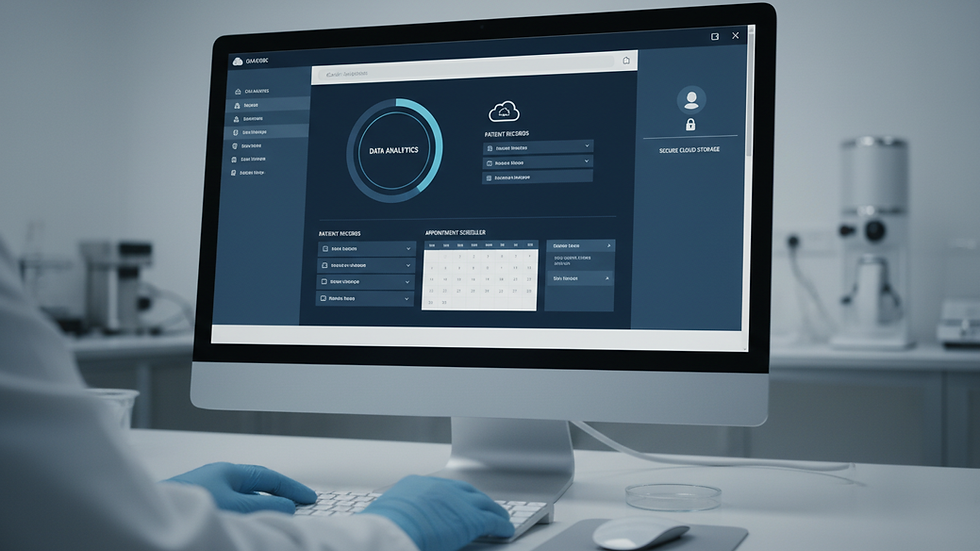
Cloud-based solutions refer to software and services hosted on remote servers rather than on local computers or servers. Users access these solutions through the internet, often via web browsers or dedicated applications. This model offers several benefits for laboratories:
Automatic Updates: Software updates and patches are applied by the provider, ensuring the system is always current.
Disaster Recovery: Data is backed up regularly and can be restored quickly in case of hardware failure or other issues.
Collaboration: Multiple users can work on the same platform simultaneously, regardless of location.
Cost Savings: Pay-as-you-go pricing models reduce upfront investment and allow labs to pay only for what they use.
Cloud-based solutions are flexible and can be tailored to the specific needs of different laboratories. They also support integration with other cloud services, enhancing overall laboratory management.
Benefits of Using Cloud-Based LIMS Solutions
Adopting cloud lab management systems brings several practical benefits to laboratories:
Improved Data Security: Cloud providers use encryption, firewalls, and other security measures to protect data.
Enhanced Collaboration: Teams can share data and results instantly, speeding up decision-making.
Reduced IT Burden: Labs do not need to maintain servers or manage software installations.
Faster Implementation: Cloud systems can be deployed quickly without complex hardware setup.
Scalable Resources: Labs can increase or decrease storage and computing power as needed.
Regulatory Compliance: Many cloud LIMS offer built-in compliance features to meet industry standards.
For example, a medical testing facility can use cloud-based LIMS to track patient samples from collection to analysis, ensuring data integrity and traceability. This reduces errors and supports audit readiness.
It is important to note that cloud based lims solutions provide these advantages while allowing labs to focus more on patient care and testing quality rather than IT management.
Challenges and Considerations When Moving to the Cloud
While cloud lab management systems offer many benefits, there are also challenges to consider:
Data Privacy: Labs must ensure that cloud providers comply with relevant privacy laws and regulations.
Internet Dependence: Reliable internet access is essential for uninterrupted system use.
Change Management: Staff may require training to adapt to new workflows and software.
Vendor Lock-in: Labs should evaluate contract terms to avoid being tied to a single provider without flexibility.
Customization Limits: Some cloud solutions may not offer the same level of customization as on-premises systems.
To address these challenges, labs should conduct thorough vendor assessments, including security audits and compliance checks. It is also helpful to involve end-users early in the selection process to ensure the system meets operational needs.
Practical Steps to Implement Cloud Lab Management Systems
Implementing a cloud lab management system requires careful planning and execution. Here are some actionable recommendations:
Assess Needs: Identify key pain points and desired features.
Research Providers: Compare options based on functionality, security, and support.
Plan Migration: Develop a timeline for data transfer and system testing.
Train Staff: Provide comprehensive training sessions and resources.
Monitor Performance: Track system usage and address issues promptly.
Review Compliance: Ensure ongoing adherence to regulatory requirements.
By following these steps, laboratories can minimize disruption and maximize the benefits of cloud lab management systems.
Looking Ahead: The Future of Laboratory Management
Cloud lab management systems are evolving rapidly. Advances in artificial intelligence, machine learning, and data analytics are being integrated to provide deeper insights and automation. This will further enhance laboratory efficiency and accuracy.
Medical laboratories and testing facilities that adopt cloud-based solutions position themselves to meet future challenges with agility. They can scale operations, improve data security, and maintain high standards of quality in an increasingly complex environment.
Investing in cloud lab management systems today is a strategic move toward a more streamlined and compliant laboratory operation tomorrow.


Comments